



I. The Formal Archetype: Geometry as Manifesto
The Primitive Sphere
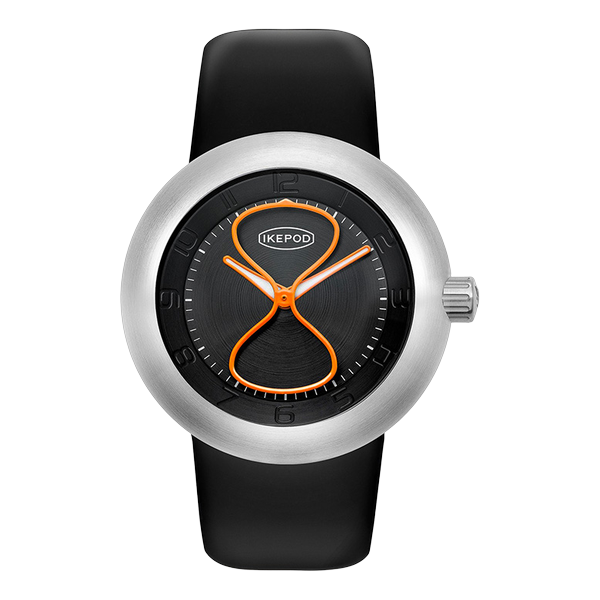
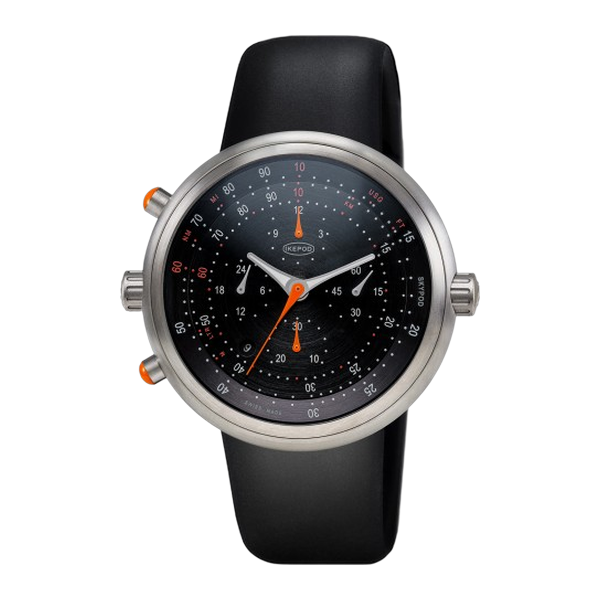
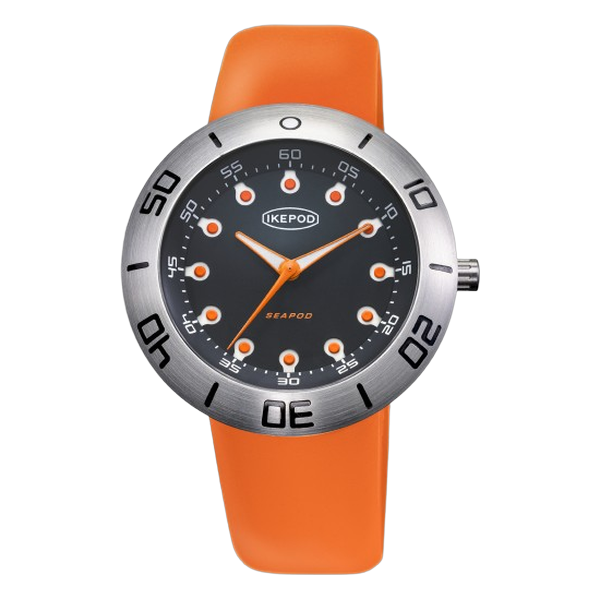
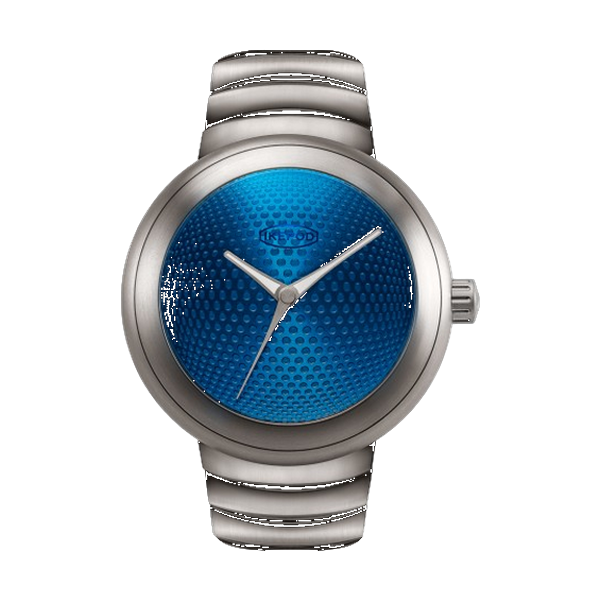
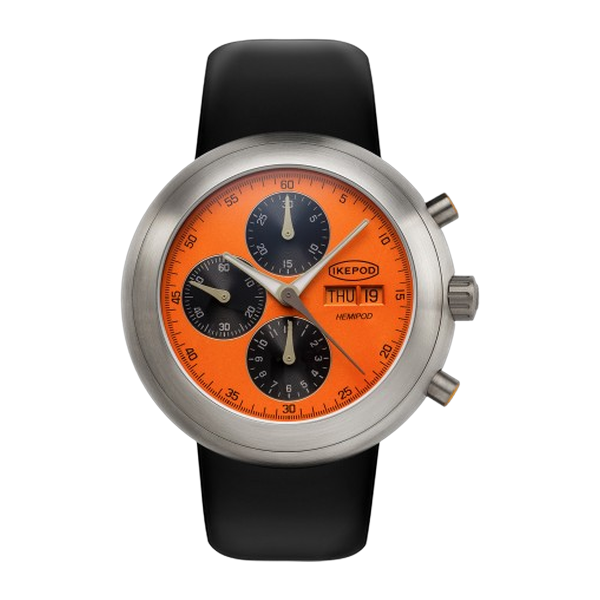
In 1997, Hemipode burst onto a market numbed by convention: 36-39mm watches, tame, predictable, reassuring. Facing Rolex Datejusts and Cartier Tanks with their academic lugs, Ikepod threw a 47mm sphere right in its face.
This shape is non-negotiable. It is a brutal return to Platonic forms, to the pure solids that have obsessed design since the Bauhaus. When Dieter Rams created his T3 radio for Braun in the 1960s, he was seeking this same geometric purity: the simplest form capable of containing the function. But where Rams started with function to arrive at form, Ikepod reverses the equation—the spherical form becomes the starting point, the desire.
The "Lugless": The Abolition of Conventions
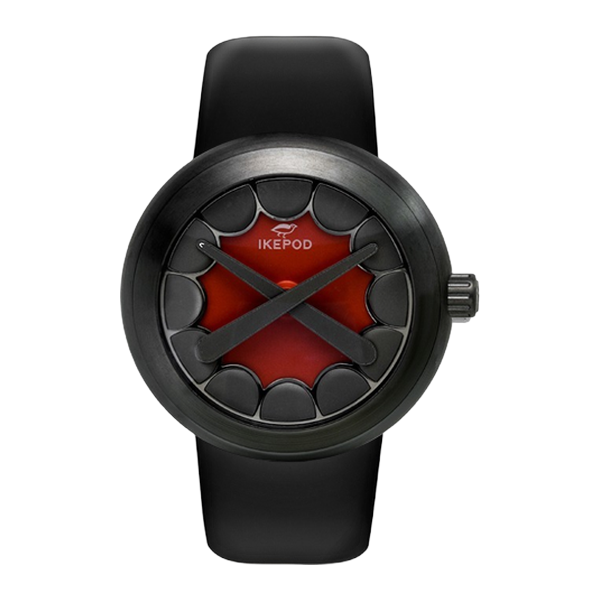
Ikepod's most radical innovation is not what it adds, but what it subtracts. By eliminating lugs—those extensions that have been necessary for over a century to attach the strap—Hemipode creates an unprecedented organic continuity.
It is the same conceptual gesture Verner Panton made when creating his monobloc chair in 1967: to eliminate joints, visible articulations, to create an object that seems born from a single breath. The rubber strap integrates flush with the case, creating a continuous ellipse from the wrist to the bezel.
This "lugless" approach is not merely aesthetic: it redefines the tactile relationship with the object. No more edges, no more brutal transitions. Just curves that glide under the fingers, like the inflated and organic forms Ron Arad sculpted in his Big Easy armchairs at the same time.
The Perfect Ellipse: The Tension Between Purity and Complexity
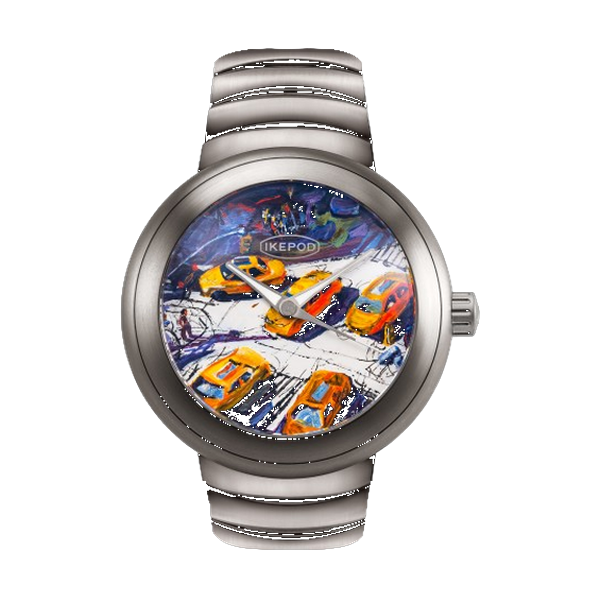
The Hemipode's sapphire is not placed on the case—it is its exact extension, creating a continuous surface without interruption. This pursuit of geometric perfection recalls the minimalist obsession of Scandinavian design, but with a sensuality that strict functionalism rejected.
This is where the sophistication of the Ikepod system reveals itself: to create technical complexity (a two-piece case, assembled from the top) to achieve absolute visual simplicity. The paradox of excellent design.


